
History
The House of Crussol
The Duchy of Uzès, often referred to as the 1st Duchy of France, is the oldest surviving Ducal Peerage in France.
The Viscounty of Uzès was elevated to a Duchy in 1565 and to a Peerage in 1572 by Charles IX.
Since then, in Parliament and at the King's coronation, the Duke of Uzès, First Peer of France, Count of Crussol, Prince of Soyons, has precedence over all the Noble Houses of France.
At Court, only the Duchy of La Trémoille, created in 1563 (extinct at the beginning of the 20th century), ranked above it following the disappearance under Louis XIII of the first Duchy of Montmorency in 1632.
Today, Jacques de Crussol d'Uzès is the 17th Duke of Uzès.
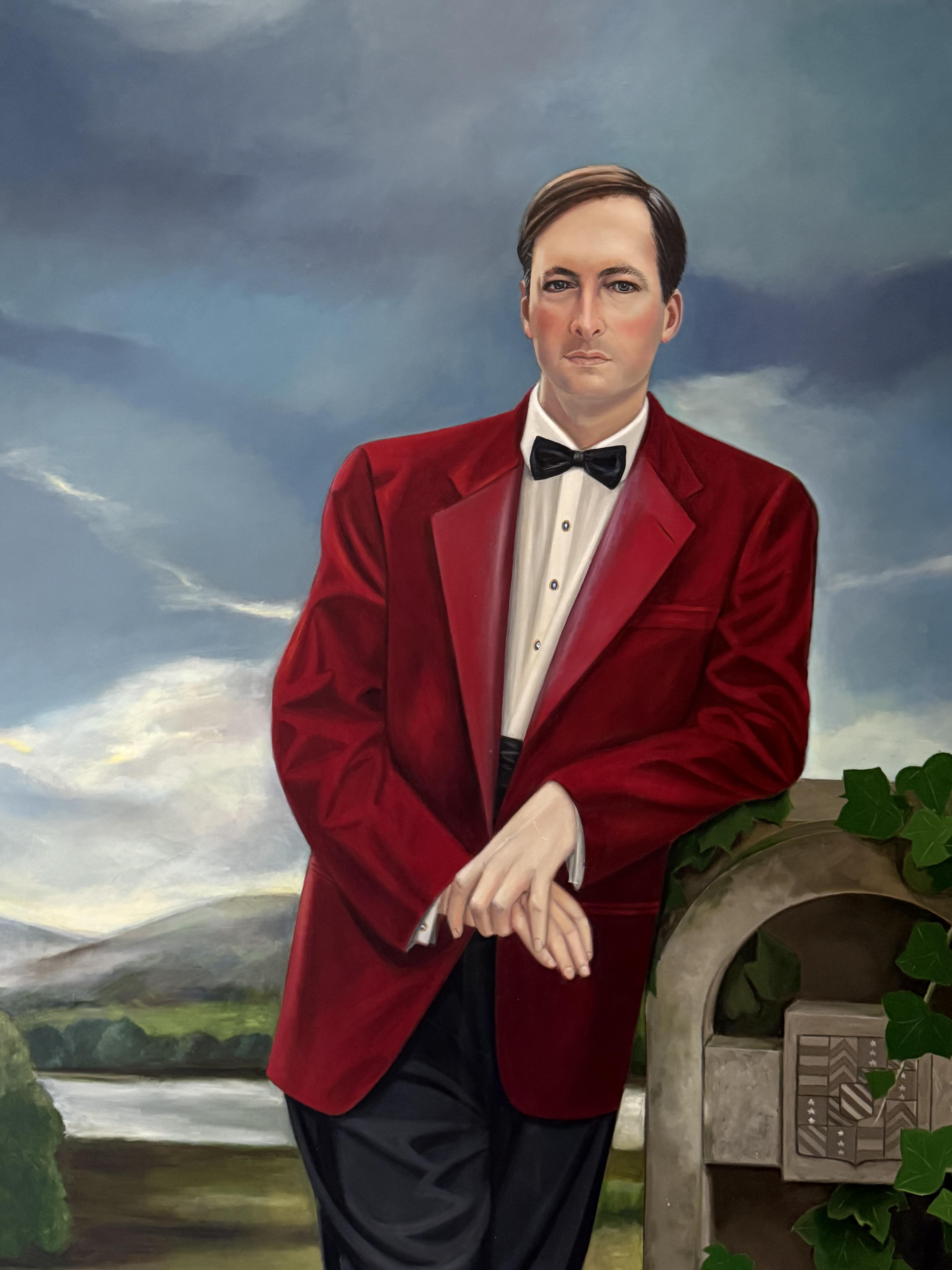
The Duke of Uzès
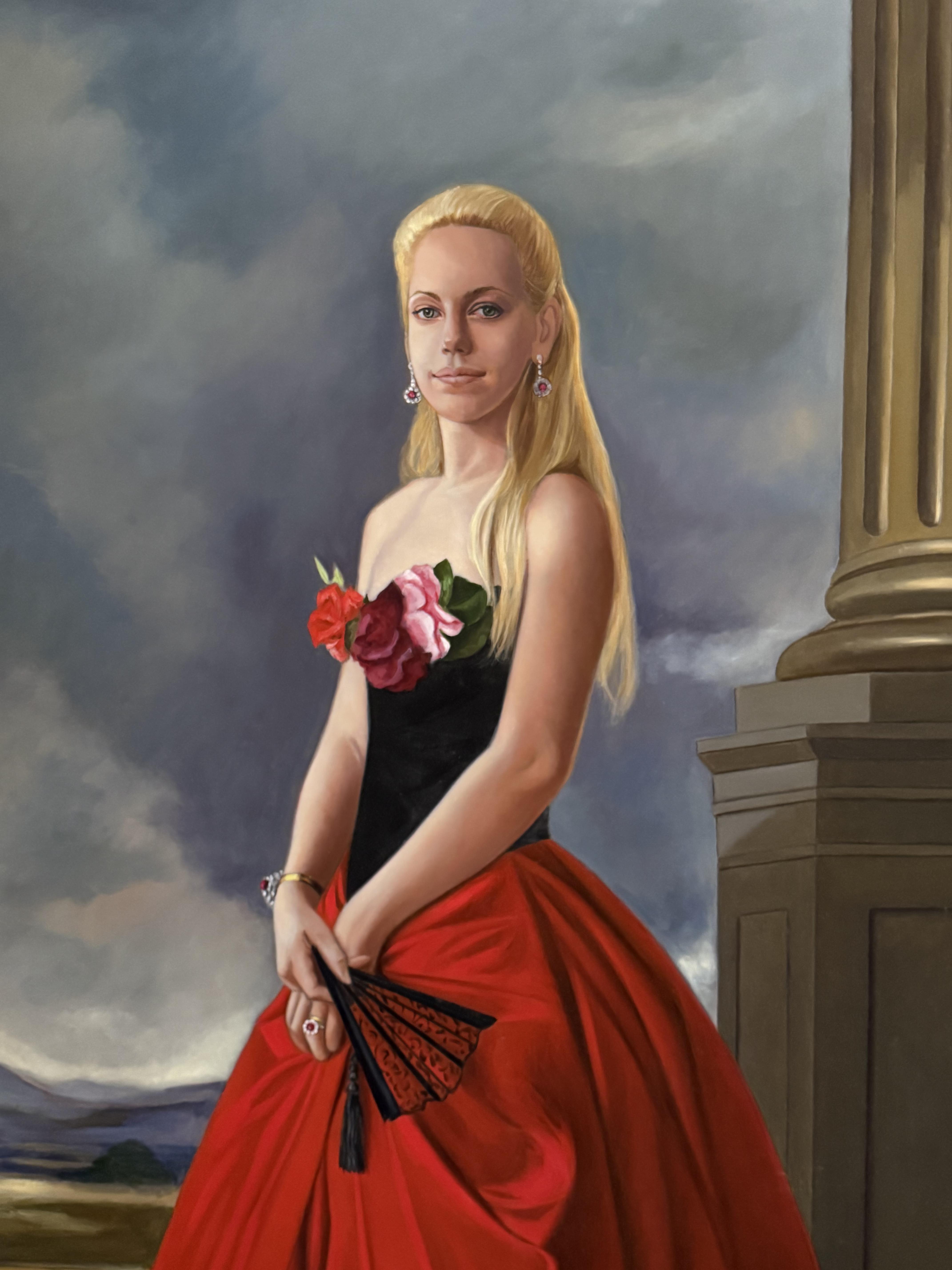
The Duchess of Uzès
History of the Ducal House
The House of Crussol, represented by Jacques, Baron of Crussol, was united on 24 June 1486 with the House of Uzès through Simone, the only daughter of the Viscount of Uzès and the last direct representative of the first House of Uzès.
Jacques came from a family of knightly origin in Vivarais. His father, Louis de Crussol, Grand Pannetier of France and Governor of Dauphiné, was a confidant of Louis XI. He was admitted to the first class of the Order of Saint Michael, established by the King in 1469.
Jacques and his son Charles, a friend of the famous knight Bayard, took part in the Italian Wars and were given commands in Languedoc. Charles later received the office of Grand Master of Artillery, succeeding his father-in-law, Jacques Galiot de Genouillac.
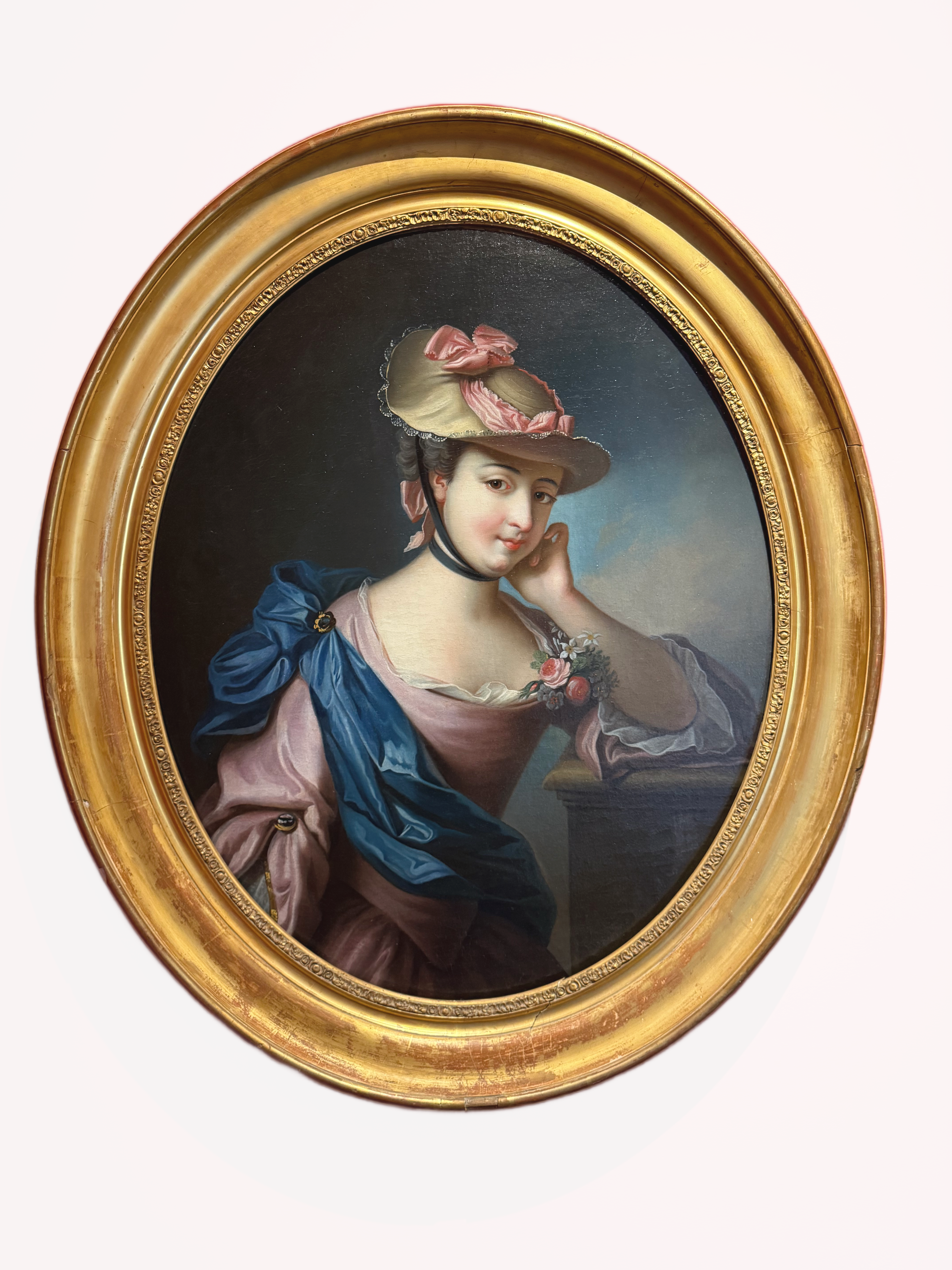
Madelène de Pardaillan de Gondrin
Duchess of Uzès
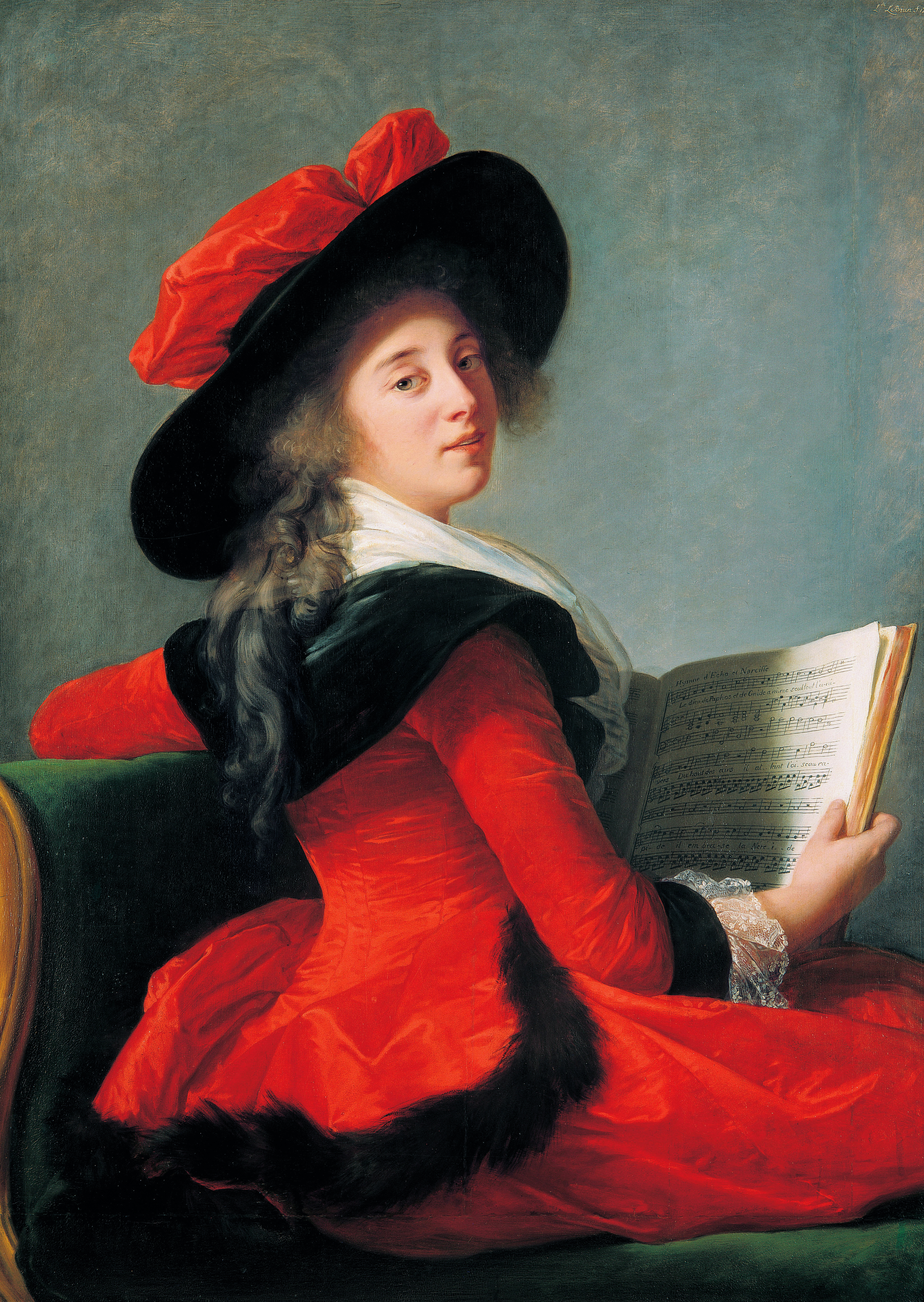
The Baroness de Crussol by Elisabeth Vigier-Lebrun
The fortified village of Crussol stands on a promontory in the Ardèche, on the banks of the Rhône, opposite the city of Valence.
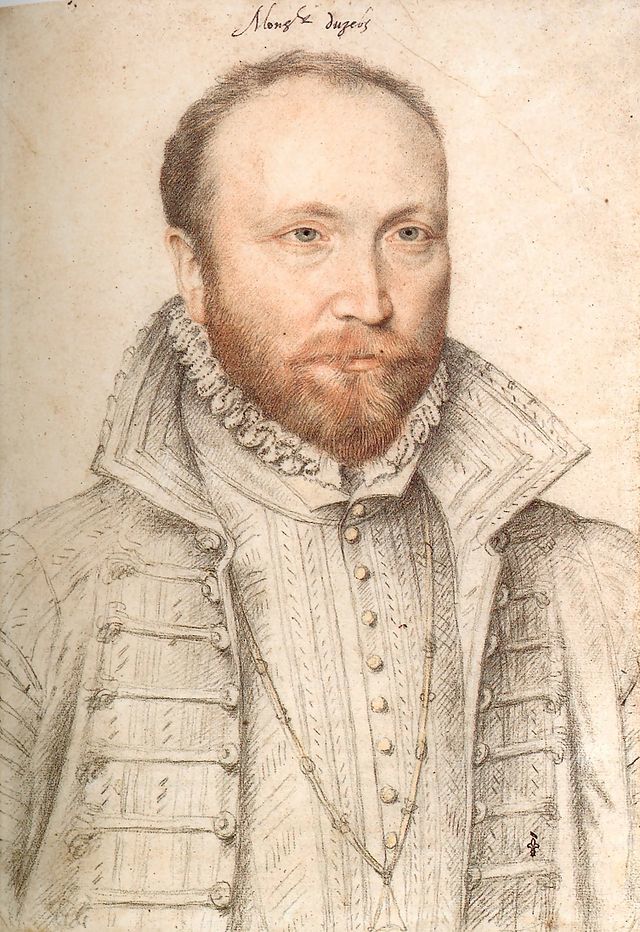
Antoine de Crussol, 1st Duke of Uzès
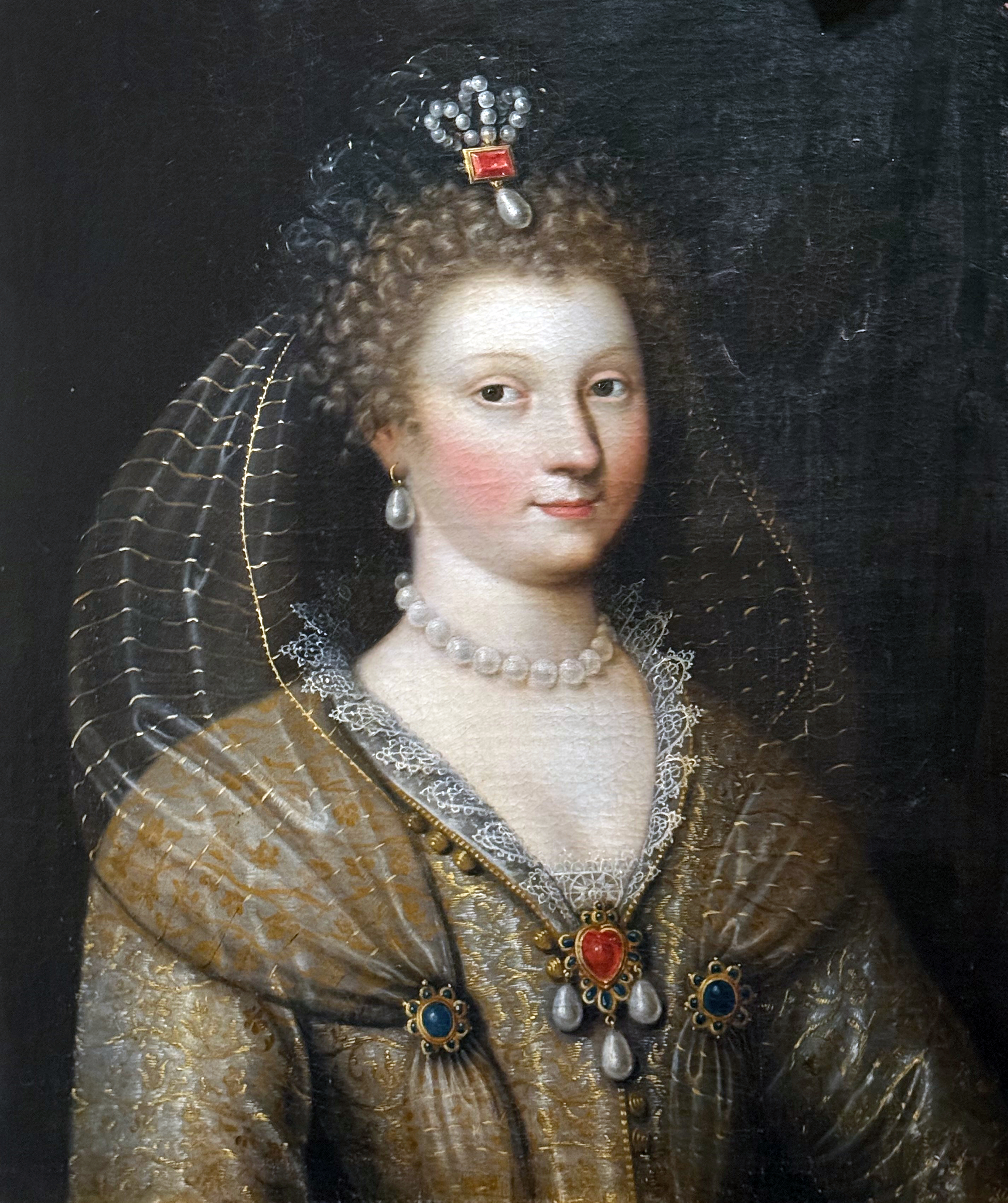
Louise de Clermont Tallart
Duchess of Uzès
Antoine, Viscount of Uzès and Baron of Crussol, married Louise de Clermont-Tallart at Amboise on 10 April 1556, in the presence of King Henry II.
Louise de Clermont, first Viscountess and later Duchess of Uzès, earned great esteem at the French court and abroad through her intelligence, learning and noble birth.
She became one of Catherine de' Medici's favourites and was very close to Queen Elizabeth I of England, with whom she maintained a regular correspondence.
She became governess to Charles IX, who affectionately called her "my old lantern".
Her husband also played an important role. He became Lieutenant General for the King in the provinces of Languedoc, Provence and Dauphiné.
He was respected by both Catholics and Protestants, who declared him the leader of both parties. He secured peace in these provinces during the Wars of Religion. He would become the first Duke of Uzès.
Antoine died without issue in 1573, and the ducal title passed to his brother Jacques, a Protestant leader known as the Baron d'Acier. After being captured at the Battle of Moncontour in 1569, Jacques converted to Catholicism and became a loyal servant of the Crown. Knight of the Order of the Holy Spirit in 1578 and Colonel General of the Infantry, he was the common ancestor of all subsequent dukes.
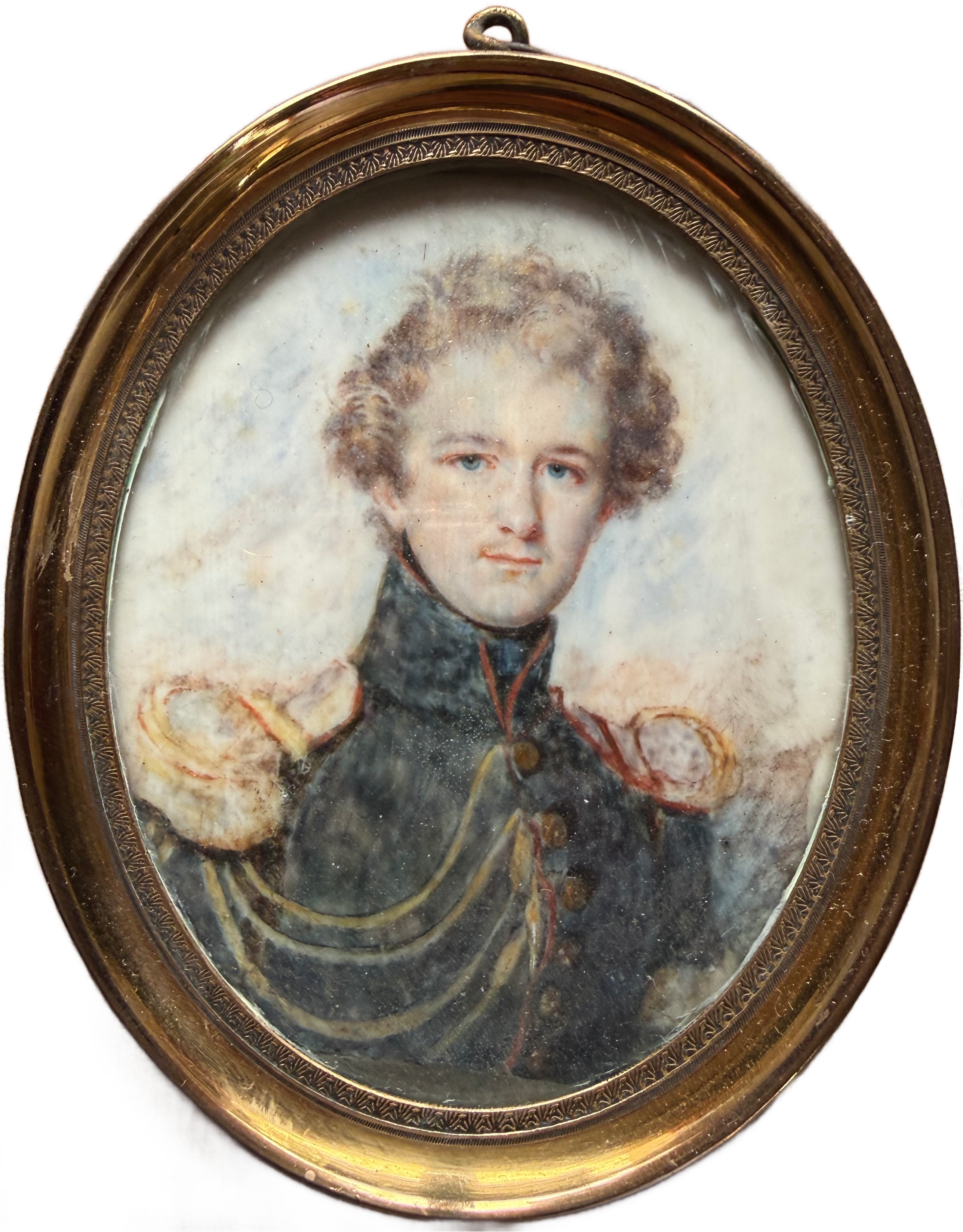
Géraud de Crussol d'Uzès
12th Duke of Uzès
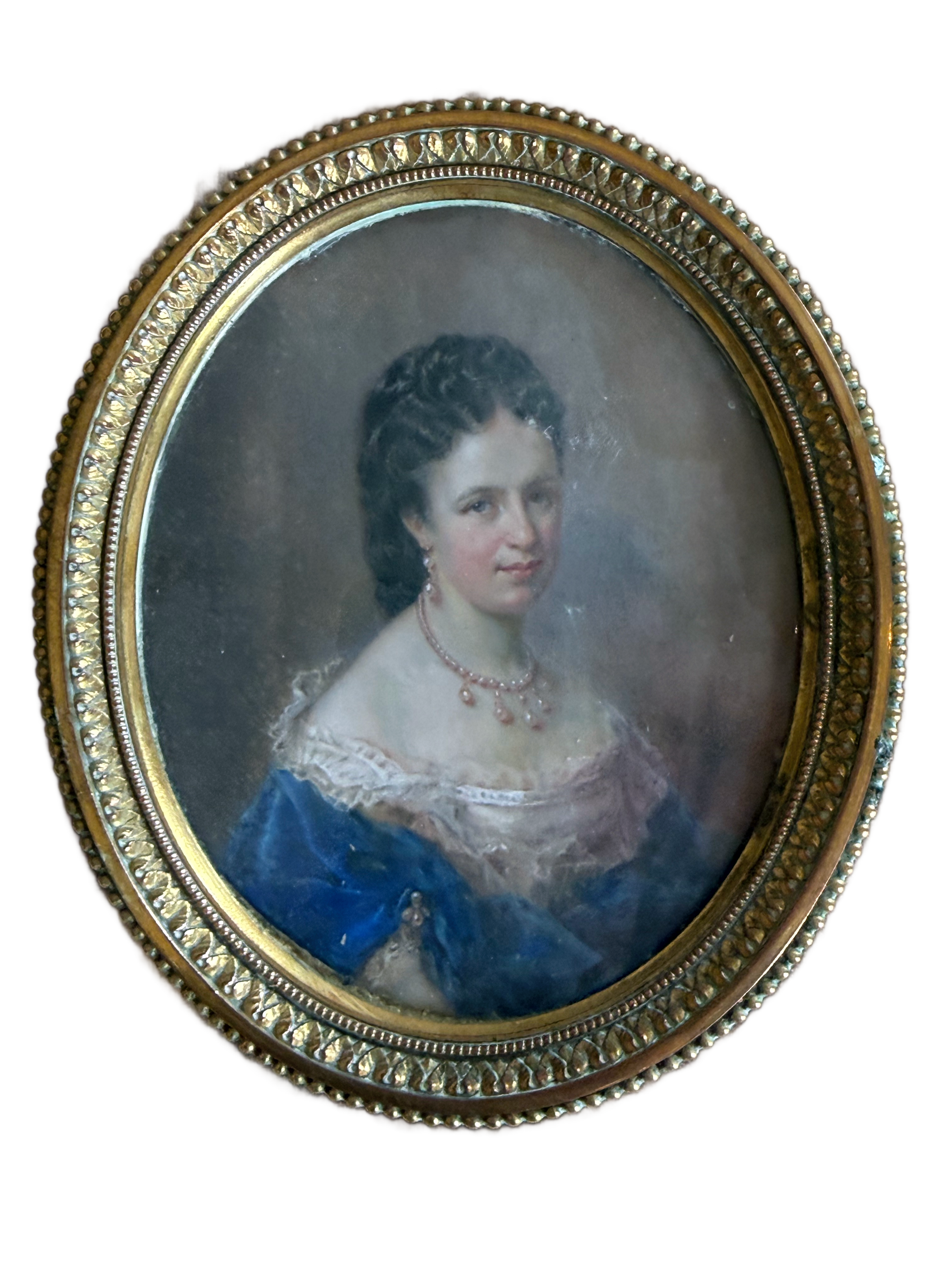
Anne de Rochechouart de Mortemart
Duchess of Uzès
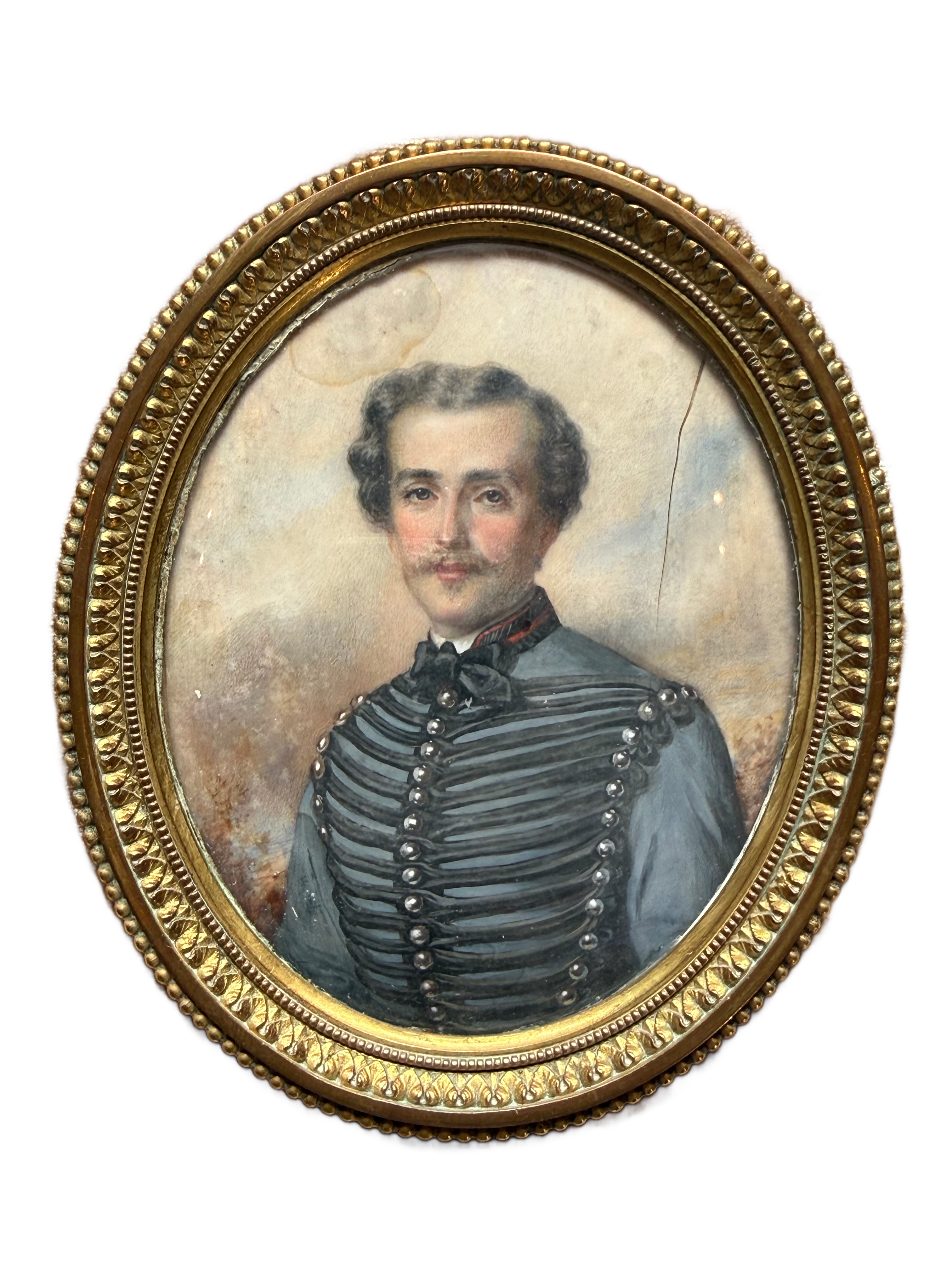
Emmanuel de Crussol d'Uzès
13th Duke of Uzès
From the 17th century onwards, the duties and responsibilities of the dukes required them to be present at Court alongside the King. They returned to Uzès periodically for stays or to retire there after relinquishing their offices in favour of their eldest son, who from 1674 onwards would be known as the Duke of Crussol.
Lieutenant Generals, Colonels of regiments bearing their name, officers of the King's Household, military officers, archbishops, bishops, abbots, Knights of the Order of Malta, ambassadors, First Gentlemen of the Queen's Household, Grand Master of the Royal Household, deputies under the Republic, explorers in Africa, and holders of many other titles and offices have succeeded one another within the Ducal House.
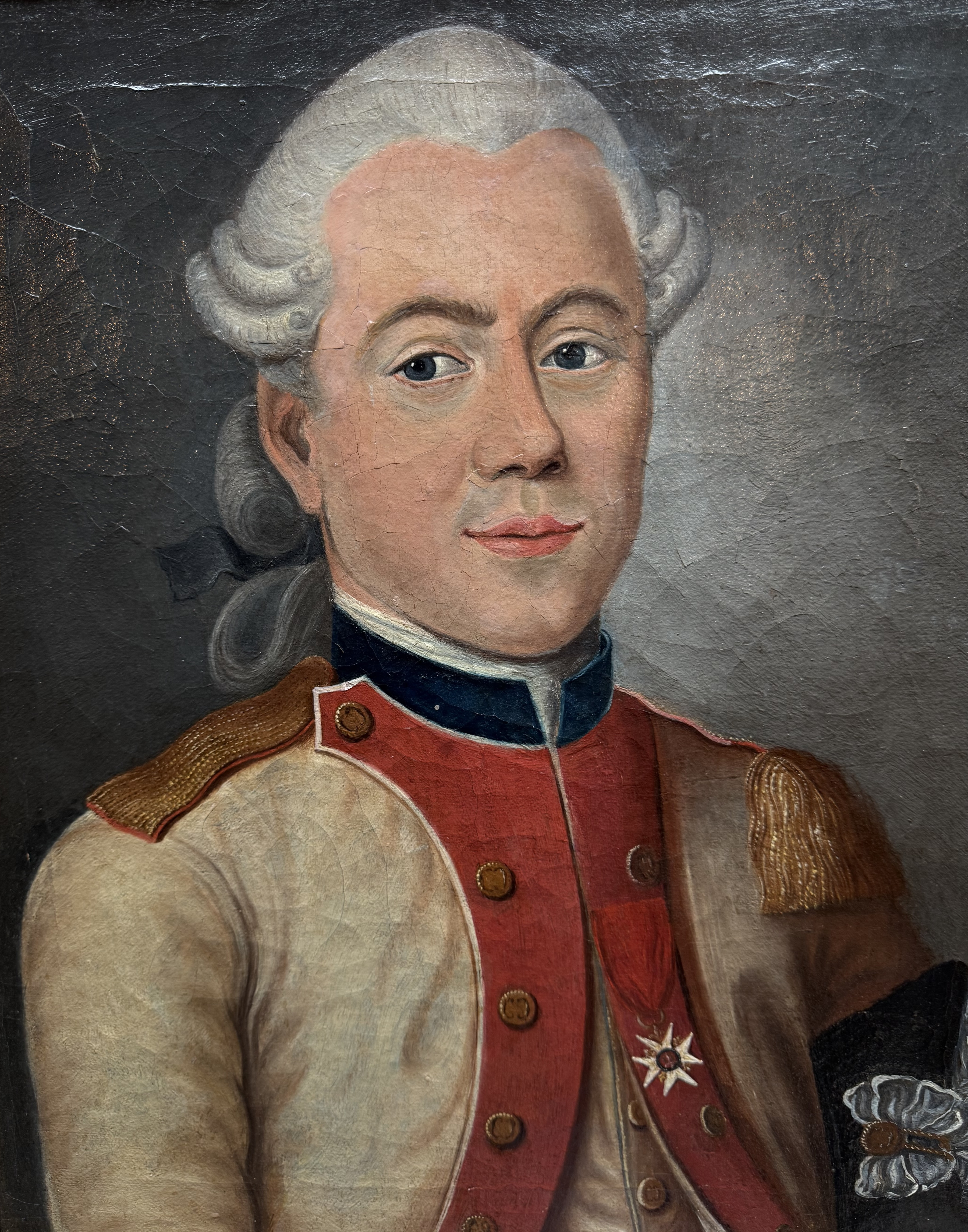
Charles-Emmanuel de Crussol
8th Duke of Uzès
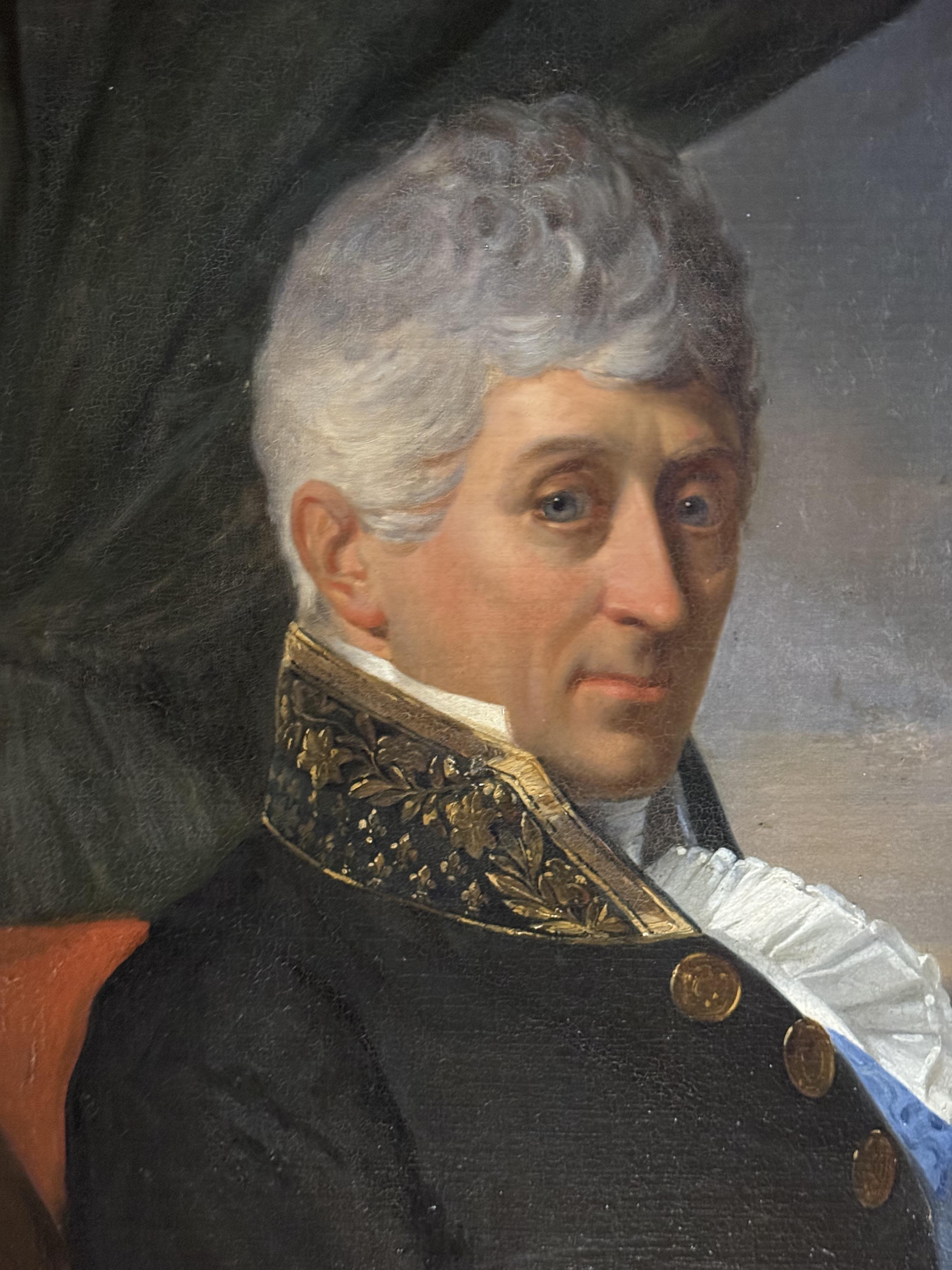
Marie-François-Emmanuel de Crussol
10th Duke of Uzès
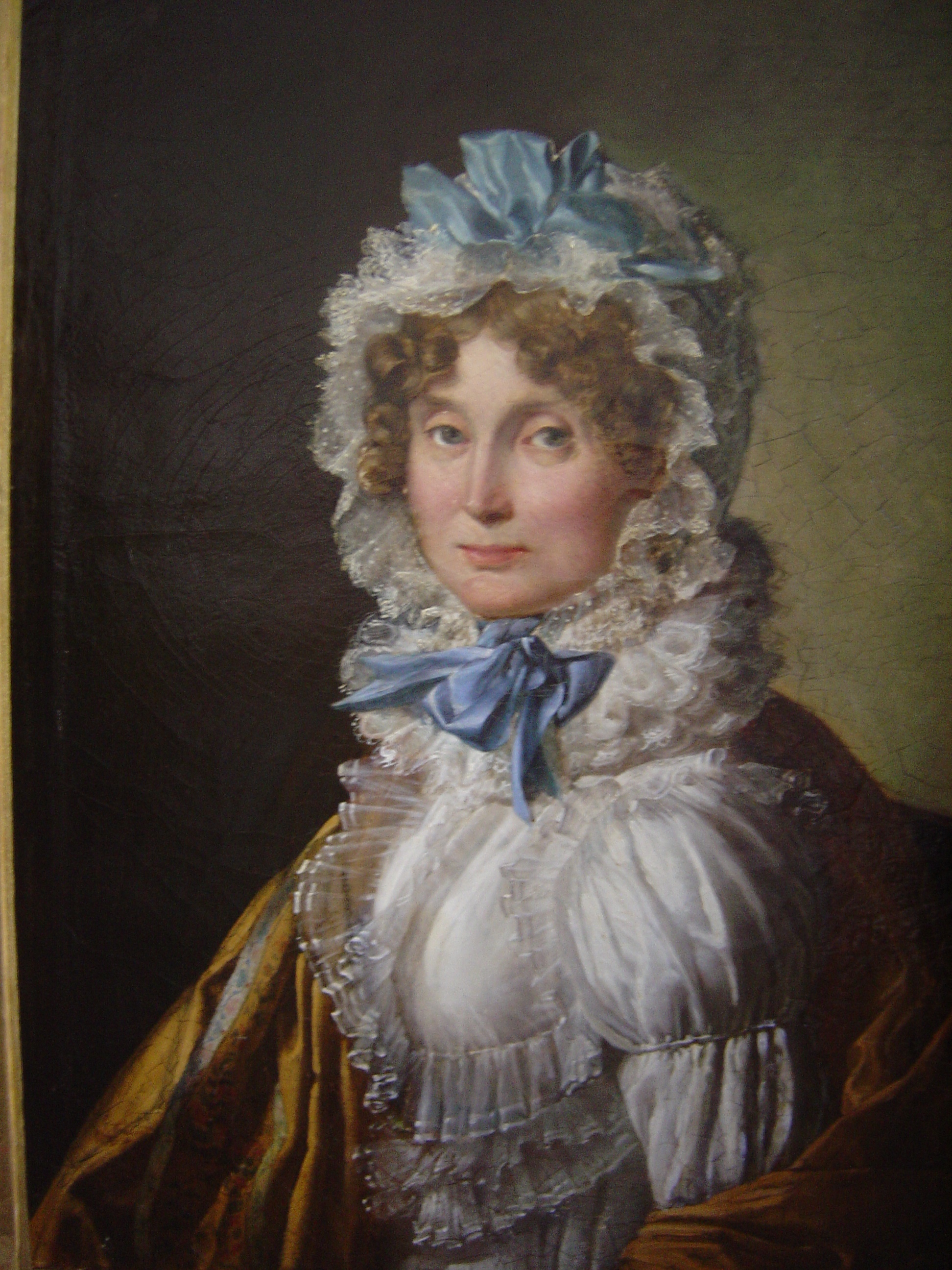
EMILIE DE CHÂSTILLON
Duchess of Uzès
In 1727, the twenty-year-old Duke of Crussol was attending the opera with a box from which a spring-loaded metal spider suddenly emerged. He played the prank on the Count of Rantzau, who became angry. A duel followed and, despite the prohibition against duelling, the Duke killed his opponent and was exiled to Uzès for one year. He would return to Uzès for a second exile in 1740, where he led a lively life filled with pranks and festivities and maintained an extensive correspondence with Voltaire.
Some honours were never held, and Louis XVIII once expressed surprise that no Duke of Uzès had ever been made a Marshal of France. The Duke replied to the King: "Sire, we get ourselves killed first." At Louis XVIII's funeral, the famous phrase "The King is dead, long live the King" was uttered by the same Duke of Uzès.
Two Figures Among Many Others
The Duchess of Uzès, born Rochechouart de Mortemart, hunted with her stag-hunting team, the Rallye Bonnelles, pursuing more than 2,000 deer, and became the first woman Lieutenant of the Wolf-Catchers' Service.
A descendant of the Widow Clicquot, she used her fortune to finance General Boulanger, who aspired to overthrow the Republic. An author under the name Manuela and a sculptor, she created the Saint Hubert statue for the Basilica of the Sacré-Cœur in Paris. A feminist, she led social initiatives and became a friend of the anarchist Louise Michel.
She obtained the first driving licence ever granted to a woman in France... and was fined, along with her son Jacques, for speeding in 1889 while driving a Delahaye in the Bois de Boulogne at nearly 15 km/h.
She was appointed an Officer of the Legion of Honour.
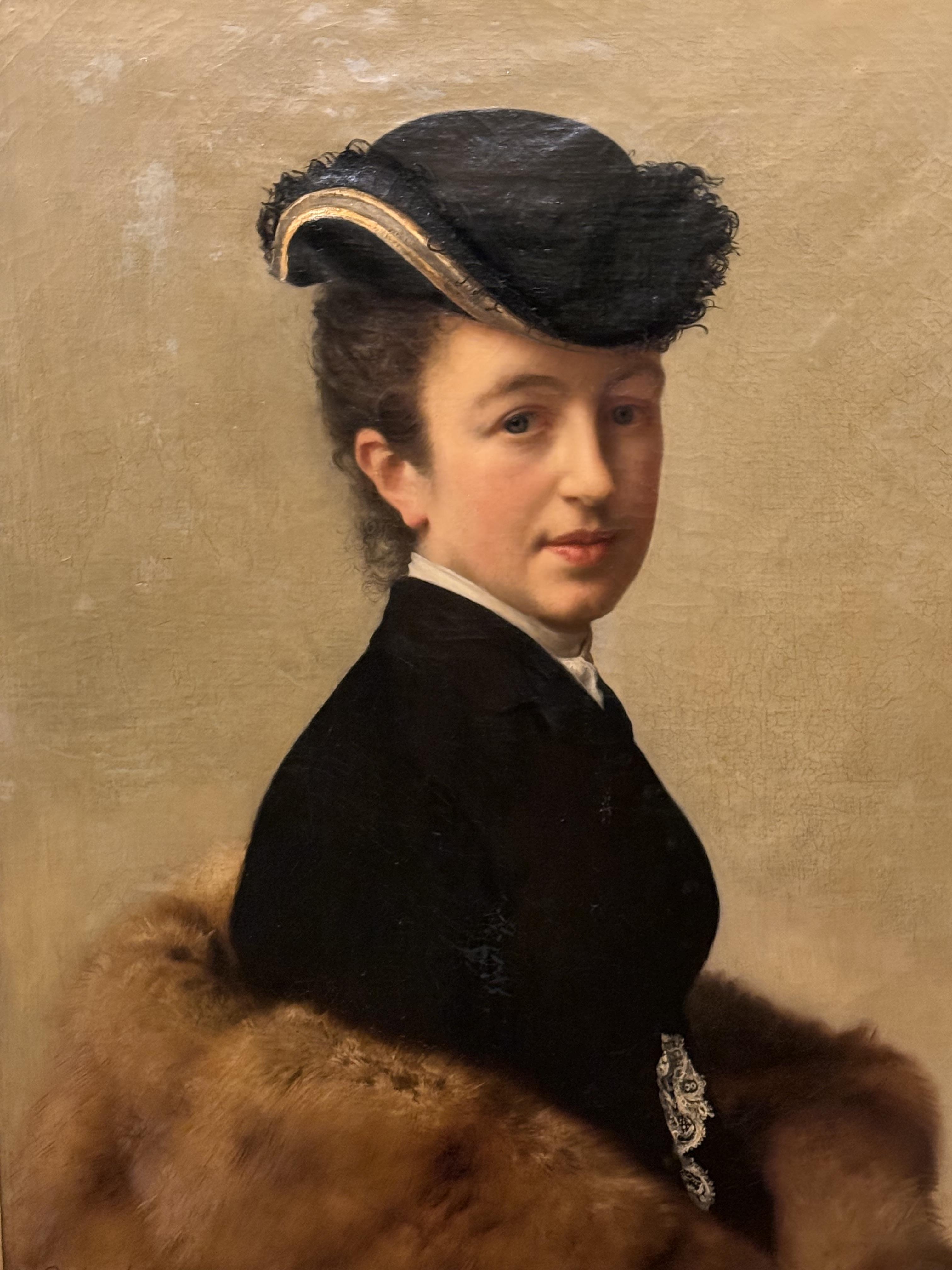
Anne de Rochechouart de Mortemart
Duchess of Uzès
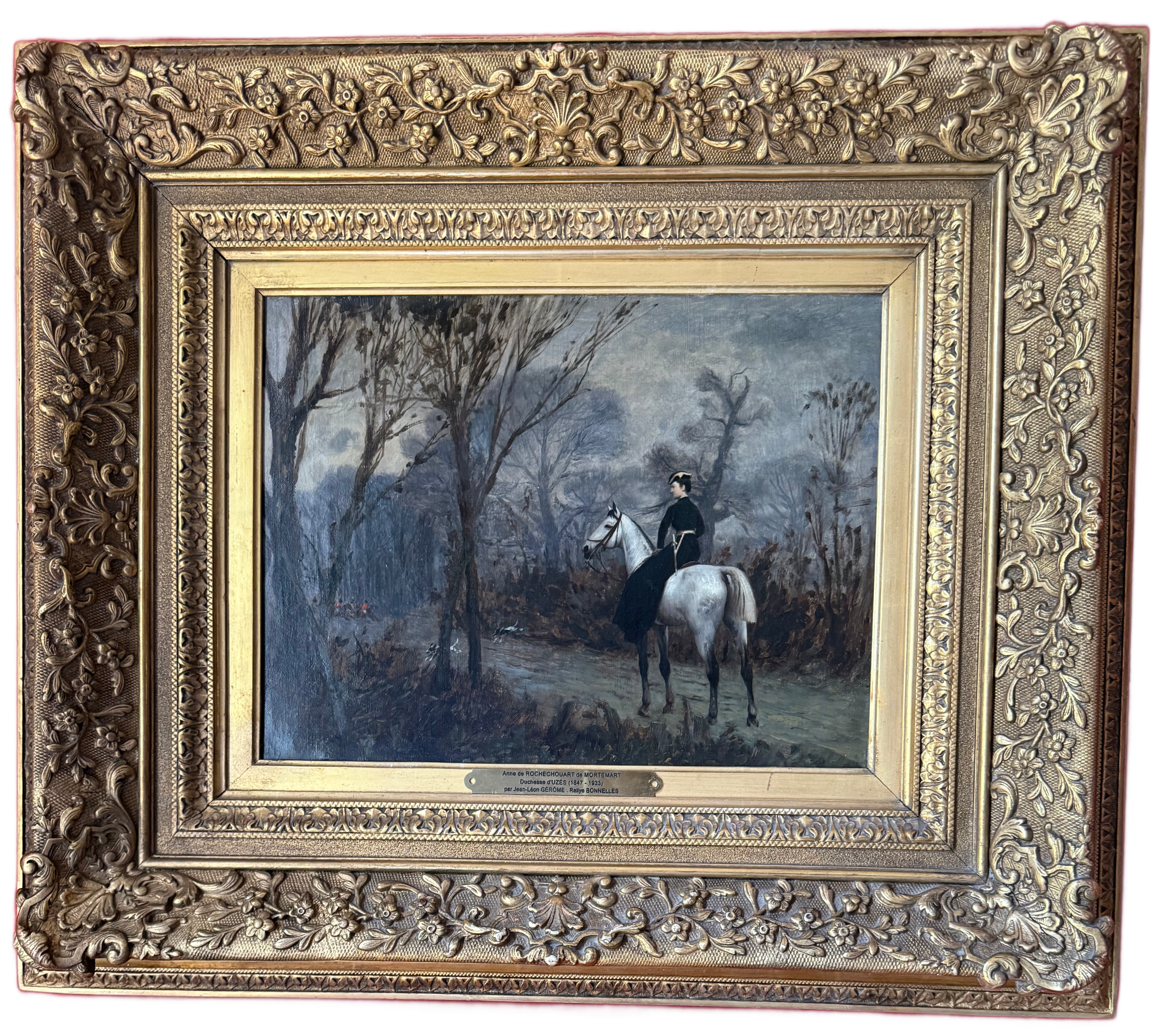
The Duchess of Uzès
at the Rallye Bonnelles in the Rambouillet Forest
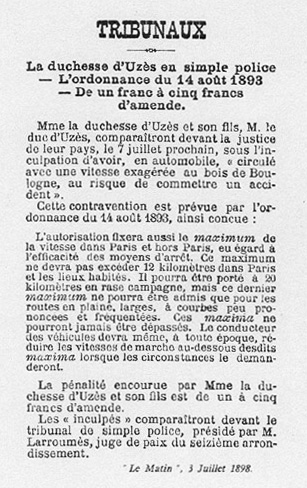
COPY OF THE COURT JUDGMENT FOR SPEEDING
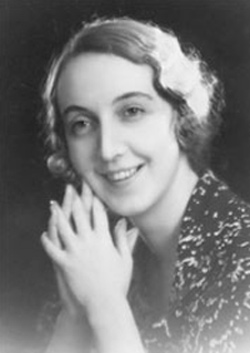
Marie Louise Bézier – Marquise de Crussol
The Marquise de Crussol, who was close to President of the Council Édouard Daladier before the Second World War, hosted one of the last great Parisian salons.
In 1964, she obtained from André Malraux, Minister under General de Gaulle, the designation of Uzès as a protected heritage area.
To thank him, she invited him to visit Uzès, to which the writer exclaimed, "Uzès is farther away than China", and he never went there.
The Duke and the Duchess of Uzès with their sons.
